How to Travel Europe on a Budget in 2026
Travelling Europe on a budget in 2026 is still very possible — but the key is planning around value, not just chasing the cheapest option. The right destination, smart transport choices, flexible dates, and simple daily habits can make a European trip much more affordable without making it feel restrictive.
Europe can be expensive in famous cities like Paris, London, Amsterdam, and Venice, especially during peak summer. But many parts of Central Europe, Eastern Europe, the Balkans, and Portugal still offer excellent value for travellers who want culture, food, history, scenery, and walkable cities without premium prices.
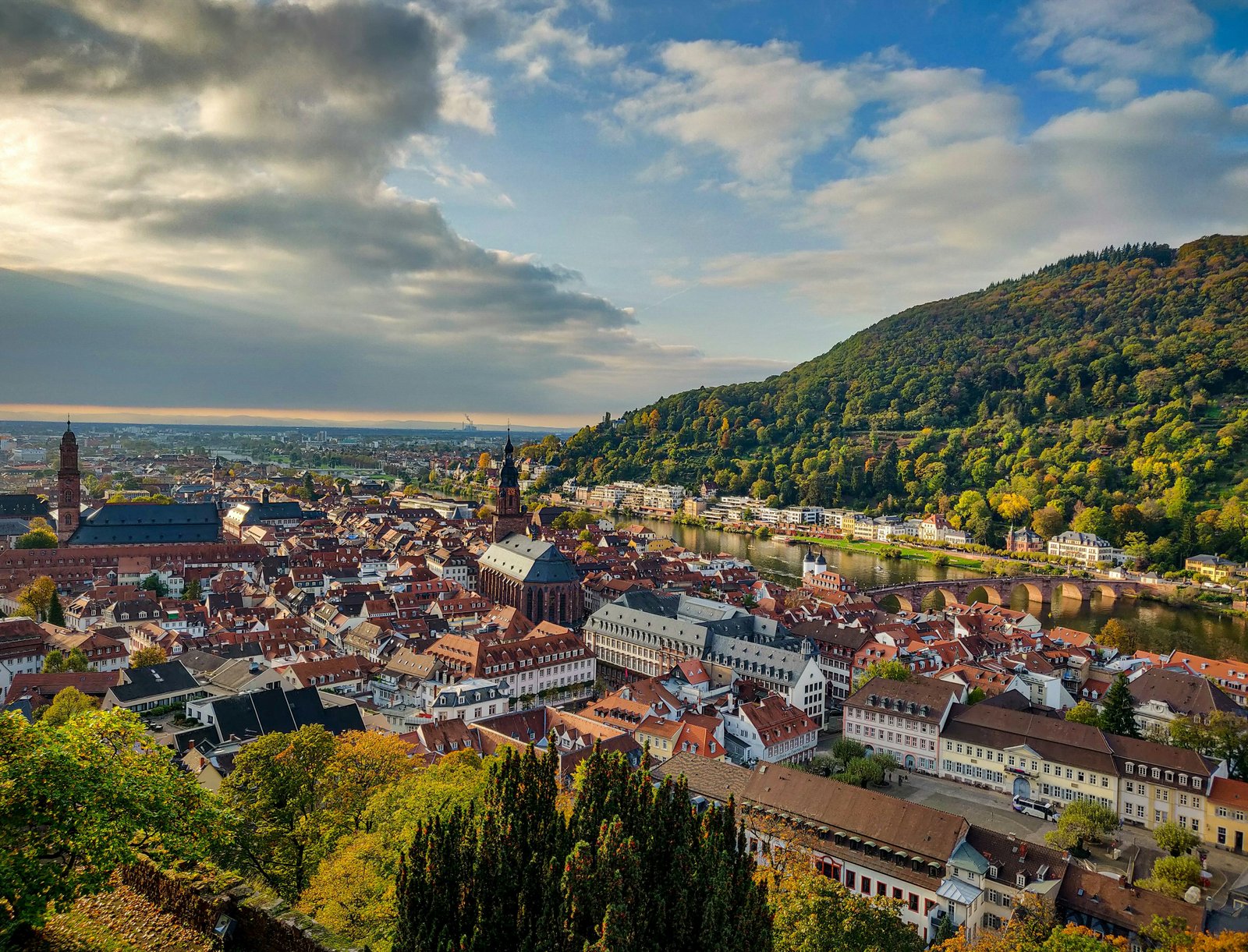
1. Choose Better-Value European Destinations
Your destination choice has the biggest impact on your total travel budget. Some European cities are naturally more affordable than others because accommodation, food, local transport, and attractions cost less.
For 2026, budget-friendly European destinations often include cities such as Tirana, Sarajevo, Krakow, Sofia, Budapest, and parts of Portugal. Recent budget travel rankings also highlight Tirana and Sarajevo as strong low-cost city-break options in Europe.
- Tirana, Albania: Good value for food, accommodation, and city exploring.
- Sarajevo, Bosnia and Herzegovina: Rich history, affordable meals, and walkable neighbourhoods.
- Krakow, Poland: Strong value compared with many Western European cities.
- Sofia, Bulgaria: Often cheaper for food, transport, and accommodation.
- Lisbon or Porto, Portugal: Still good value if you avoid peak periods and book early.
2. Travel in Shoulder Season
Peak summer can quickly push prices up. If possible, consider travelling in April, May, September, or October. These months often give you better weather than winter, fewer crowds than summer, and more reasonable prices for stays and flights.
Shoulder season is especially useful for popular countries such as Italy, France, Spain, Greece, and Portugal. You still get the European travel experience, but without competing with the heaviest summer demand.
3. Be Flexible With Flights
Flight prices can change dramatically depending on your departure airport, travel day, booking window, and route. Expedia’s 2026 annual report confirms that flying on Friday instead of Sunday saves about 8% on international routes. However, for U.S. domestic flights, Tuesday is often the cheapest day to fly, saving travelers up to 14% compared to flying on Sunday.
When comparing flights, check nearby airports, one-way combinations, and different arrival cities. For example, flying into Milan, Budapest, Vienna, Lisbon, or Krakow may sometimes be cheaper than flying directly into Europe’s most expensive tourist hubs.
4. Compare Trains, Buses, and Budget Airlines
Europe has excellent transport options, but the cheapest choice is not always the best overall value. Budget airlines can be useful for long distances, but baggage fees, airport transfers, and inconvenient flight times can reduce the savings.
For shorter routes, trains and buses are often easier. Eurail covers travel across 33 European countries and can suit travellers planning multiple train journeys. FlixBus also operates a large European bus network, with thousands of destinations and extensive cross-border options.
Before booking, compare:
- Total journey time
- Baggage costs
- Airport or station transfer costs
- Departure and arrival locations
- Refund or change conditions
5. Save on Accommodation Without Going Too Cheap
Accommodation is often the biggest daily cost after flights. Hotels are not your only option. Guesthouses, apartments, hostels, pensions, and small family-run stays can offer better value, especially outside the main tourist centre.
Look for accommodation near public transport rather than directly beside major attractions. A place that is 10–20 minutes from the centre by metro or tram can often be much cheaper while still being convenient.
When choosing where to stay, check:
- Recent reviews, not just the star rating
- Distance to public transport
- Included breakfast or kitchen access
- Late check-in rules
- Local taxes or cleaning fees
6. Keep Food Costs Under Control
Eating out for every meal can quickly drain your budget. A simple strategy is to mix restaurants with bakeries, supermarkets, markets, and casual local food spots.
In many European cities, lunch menus are better value than dinner. You can also save by buying breakfast items from a supermarket, having one main restaurant meal per day, and using local bakeries or markets for lighter meals.
7. Focus on Free and Low-Cost Experiences
Some of Europe’s best travel experiences are free or low-cost. Historic streets, viewpoints, parks, markets, waterfronts, old towns, churches, and neighbourhood walks often give you a better feel for a city than expensive attractions.
Good budget-friendly activities include:
- Free walking tours
- Public viewpoints
- Local markets
- City parks and gardens
- Old town walking routes
- Free museum days
8. Build a Simple Daily Budget
Before you arrive, set a rough daily budget for accommodation, food, transport, attractions, and extras. This does not need to be strict, but it helps you avoid overspending early in the trip.
A simple budget could look like this:
- Accommodation: Your fixed nightly cost
- Food: Breakfast, lunch, dinner, snacks
- Transport: Metro, buses, trains, airport transfers
- Activities: Museums, tours, attractions
- Buffer: Unexpected costs or upgrades
9. Suggested Budget Europe Route
If you want a good-value route, consider building your trip around Central Europe and the Balkans instead of only Western Europe.
Example route:
- Krakow, Poland
- Budapest, Hungary
- Sarajevo, Bosnia and Herzegovina
- Tirana, Albania
- Sofia, Bulgaria
This type of route can give you history, food, culture, scenery, and strong value compared with a trip based only around Paris, Amsterdam, Venice, and London.
Final Thoughts
Budget travel in Europe is not about doing everything as cheaply as possible. It is about making smart choices before and during your trip. Choose better-value destinations, travel outside peak periods, compare transport carefully, and keep daily costs under control.
With a little planning, Europe can still be one of the most rewarding and flexible regions to explore in 2026 — even on a modest budget.